Common problems with access on Kennington estates for waste crews
Posted on 12/10/2026

If you have ever watched a waste crew arrive at a Kennington estate and then pause, measure, wait, or phone ahead, you already know the issue: access is often the real job, not just the collection itself. Common problems with access on Kennington estates for waste crews can turn a routine clearance into a slow, awkward, and sometimes impossible visit if the layout, parking, gates, permits, or timing are not right.
This guide breaks down the most common access issues, why they matter, and what residents, building managers, landlords, and contractors can do to make waste removal smoother. We will keep it practical and local. No fluff. Just the sort of things that save time on the day and prevent that slightly miserable moment when a crew realises the lift is too small, the alley is blocked, or the only gate code is missing.
Why Common problems with access on Kennington estates for waste crews Matters
On paper, waste collection sounds straightforward: crew arrives, waste is removed, area is left tidy. In reality, Kennington estates can be a bit more complicated. You may have narrow internal roads, gated entrances, limited turning space, low parking tolerance, shared courtyards, stair-only blocks, or loading restrictions that make even a small clearance more fiddly than expected.
That matters for a few reasons. First, access delays cost time. Second, access confusion increases the chance of missed collections or partial collections. Third, the more a crew has to carry waste long distances, the higher the risk of damage to walls, floors, doors, and communal areas. And finally, poor access can create tension between residents, estate managers, and contractors. Nobody wants a noisy argument at 8:15 on a damp Tuesday morning.
In Kennington, the issue is often not one single obstacle but a chain of small ones. A gate code that changed last month. A van that cannot safely stop near the block. A lift that is technically available but too small for bulky items. A courtyard that looks fine for bins but not for furniture disposal. These are the details that decide whether a collection runs smoothly or turns into a long, awkward shuffle.
For anyone comparing services or planning a larger clearance, it helps to understand the wider service picture too. A good starting point is the services overview, especially if you are deciding between a one-off collection, a full flat clearance, or a more involved estate clearance with bulky items.
How Common problems with access on Kennington estates for waste crews Works
Waste crews typically work from the outside in. They need to reach the estate, identify the correct entrance, park safely, access the waste, and move it to the vehicle without creating a hazard. That sounds simple, but estate design can interrupt each step.
Here is the usual flow on a Kennington estate:
- Pre-visit planning. The team checks the address, item type, and likely access route.
- Arrival and entry. They look for gates, buzzers, codes, concierge desks, or resident instructions.
- Parking and manoeuvring. The crew works out whether the vehicle can stop nearby without blocking traffic or footpaths.
- Collection route. Waste is moved from the property to the vehicle using the shortest practical path.
- Final checks. The area is checked for leftover packaging, hazards, or damage.
Where things go wrong is usually one of those handoffs. For example, the crew might get into the estate but then find the only route is through a locked corridor. Or they can reach the block, but the parking bay is reserved, and there is nowhere else legal to stop. Or the refuse point is perfectly accessible for small bin bags but useless for a sofa or broken wardrobe.
That is why estate waste work is often less about brute force and more about coordination. Good waste crews ask the right questions before they arrive. Good residents give clear instructions. Good estate managers keep access information current. Simple idea, really. Harder in practice, as anyone who has tried to find a lost fob on a windy afternoon will tell you.
If you are arranging a larger clearance, especially after building work or refurbishing a flat, the specific access needs may overlap with builders waste clearance in Kennington, where heavy bags, rubble, and awkward debris can make entry points even more important.
Key Benefits and Practical Advantages
Getting estate access right is not just about avoiding hassle. It changes the whole feel of the job.
- Faster collections: Crews spend less time waiting, searching, or walking waste long distances.
- Lower risk of damage: Short, planned routes reduce knocks on walls, lifts, flooring, and doors.
- Better cost control: Less delay usually means less wasted labour time and fewer return visits.
- Fewer resident complaints: Quiet, efficient work is simply less disruptive.
- Safer handling: Clear access reduces trip hazards, awkward lifting, and blocked exits.
There is also a practical human benefit: less stress. When access is sorted, the day feels manageable. You know where the crew is coming in, where waste is going out, and whether bulky items need disassembly first. That confidence matters more than people think.
It also improves the quality of the collection itself. When a crew can get close to the waste, they can usually remove more in one visit, separate recyclable materials more cleanly, and leave the space tidier. For people who care about responsible disposal, that is a real plus. If sustainability is part of your decision, see the site's recycling and sustainability approach for a better sense of how careful sorting and disposal fit into the process.
Who This Is For and When It Makes Sense
This topic matters to more people than you might expect. It is not just for estate managers or waste contractors. If you live, work, or invest in Kennington, access can affect you sooner or later.
- Residents in flats and maisonettes: Especially if bulky items need carrying through shared spaces.
- Landlords and letting agents: Vacant property clearances often come with unknown access quirks.
- Estate and block managers: They need to keep collections moving without annoying residents.
- Office occupiers: Some estates have mixed-use blocks where office clearance must be timed carefully.
- Builders and renovators: Waste piles up quickly, and access can become the bottleneck.
- People downsizing or clearing inherited property: These jobs often involve more items and more carrying.
It makes sense to think about access whenever you are booking anything from a few bulky items to a full house clearance. If you are unsure which service is right, a quick look at house clearance in Kennington or furniture disposal in Kennington may help you match the job to the access available.
A useful rule of thumb: the more awkward the item, the more likely access will matter. A few bin bags can be manageable. A wardrobe that does not fit round the stairwell? Different story.
Step-by-Step Guidance
If you want to avoid access headaches, here is the simplest way to prepare.
- Map the route from street to waste. Do not assume the nearest entrance will work. Check gates, ramps, lifts, door widths, and any one-way corridors.
- Confirm parking and stopping space. Find out where a van can legally wait without blocking emergency access or residents.
- Check keys, fobs, and codes. This sounds obvious, but it is one of the most common failure points.
- Measure the awkward bits. Lifts, stair turns, narrow landings, and basement steps are the usual troublemakers.
- Separate easy waste from bulky waste. Put smaller items near the easiest exit route and keep heavier items together.
- Tell neighbours or the concierge in advance. A little notice can prevent conflict, especially if communal access is shared.
- Photograph the access point if needed. A quick photo of the gate, loading area, or alley can save a lot of back-and-forth.
- Have a backup plan. If the van cannot stop close enough, decide whether items can be moved to a safer pickup point.
That is the practical version. Not glamorous, but effective.
If the job involves a cluttered garage, a loft, or a storage-heavy flat, it can be worth checking the relevant service page before you book. For example, garage clearance in Kennington and loft clearance in Kennington often need extra planning because access is rarely straightforward.
Expert Tips for Better Results
Here are the details that experienced crews tend to care about, even if residents do not always think to mention them.
- Send access notes before the job. Gate codes, concierge hours, and parking restrictions are worth their weight in gold.
- Be honest about item size. "A few bits of furniture" can mean very different things to different people.
- Leave the route clear. Shoes, prams, bikes, and shopping trolleys in a hallway can become a genuine obstruction.
- Think about timing. School runs, bin day, and commuter traffic can all make the same estate feel very different at different hours.
- Use short labels if items are mixed. A simple "keep", "remove", "recycle" system helps everyone move faster.
- Protect shared surfaces. If items must travel through communal areas, floor protection or careful carrying is worth asking about.
One small, very real observation: a job that looks hard at 9am can be easier by 11am once deliveries have moved, gates are staffed, or parking pressure eases. Sometimes timing is the whole game.
And if access is likely to be tight, it may help to compare collection methods. A one-off van collection can suit tight estate access better than a larger setup, while a skip hire option in Kennington may be less practical where vehicle placement is restricted. The right choice depends on the site, not just the waste.

Common Mistakes to Avoid
The same access mistakes keep showing up on estates, and honestly, they are all avoidable with a bit of forethought.
- Assuming the crew will figure it out. They often can, but not always without delay.
- Forgetting to share updated access details. Estate codes and concierge procedures change more often than people expect.
- Booking without checking parking rules. A good crew still needs somewhere safe and lawful to stop.
- Underestimating bulky items. A sofa, fridge, or bed frame can be more awkward than a pile of mixed rubbish.
- Leaving waste scattered across multiple points. Crew time gets eaten up collecting bits from here, there, and everywhere.
- Ignoring resident schedules. Morning quiet hours, school entrances, or protected visitor routes can all matter.
There is also a subtle mistake people make after the first collection: they assume the next visit will be just as easy. It might not be. A car parked differently, a gate repaired, or temporary works in the courtyard can change everything overnight.
If your project is larger or includes a mix of household and trade waste, it is sensible to review rubbish clearance in Kennington and waste removal in Kennington so you can match the service to the layout and volume.
Tools, Resources and Recommendations
You do not need fancy software to solve access issues. Most of the time, simple tools do the job.
| Tool or resource | What it helps with | Why it matters |
|---|---|---|
| Site access notes | Gate codes, entry routes, lift details | Prevents delays on arrival |
| Estate map or block plan | Identifying entrances and parking points | Reduces confusion on mixed-use estates |
| Phone photos of access points | Showing narrow gates, stairs, or loading areas | Gives crews a clearer picture before the visit |
| Item list | Bulk, weight, and awkward shapes | Helps estimate labour and vehicle needs |
| Building contact details | Concierge, caretakers, or estate office contact | Useful when access changes at the last minute |
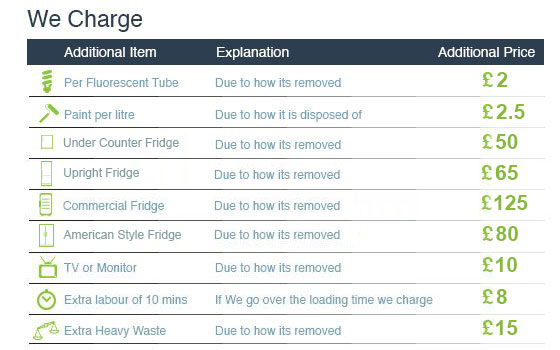
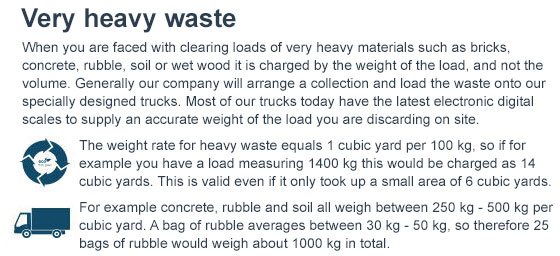
For practical budgeting, it can also help to review pricing and quotes before booking. Access issues do not always increase the cost, but they can affect time on site, vehicle choice, or the need for an extra crew member.
If you want to understand how a company handles trust, insurance, and site safety, take a look at insurance and safety. That kind of detail matters more on estates than people sometimes realise.
Law, Compliance, Standards, or Best Practice
Access on estates is not just a convenience issue. It can overlap with safety responsibilities, traffic rules, property management rules, and the duty to avoid obstructing shared spaces. Exact arrangements vary by site and by local policy, so it is best to treat estate instructions seriously and check them before the day of collection.
In practical terms, good practice usually means:
- not blocking fire routes or emergency access
- keeping lifts and stairwells clear where possible
- avoiding damage to communal areas
- using the correct parking or loading spaces
- following concierge or estate manager instructions
If items are being moved through shared areas, crews should handle them carefully and keep the path as tidy as possible. That is basic professionalism, but it also prevents avoidable complaints and accidental damage. No one wants a scratched wall becoming the main story of the day.
For readers who want to understand the company side of things, the about us page gives useful background on how a service team approaches work in the area, while the terms and conditions and privacy policy pages help set expectations around service delivery and information handling.
Options, Methods, or Comparison Table
Different estate access situations call for different waste removal approaches. The best option depends on how far the vehicle can get, how much waste there is, and whether the items can be moved safely through the building.
| Method | Best for | Access strengths | Common drawback |
|---|---|---|---|
| Man-and-van style collection | Small to medium loads, mixed household waste | Flexible on tight streets and estates | May need more carrying if parking is distant |
| Full clearance crew | Flat clearances, inherited homes, larger jobs | Handles bulky items and more labour | Needs better planning for estate access |
| Skip hire | Projects with lots of waste over several days | Convenient if there is legal placement space | Can be awkward or impossible on some estates |
| Specialist bulky item removal | Sofas, mattresses, wardrobes, appliances | Good for awkward one-off items | Needs clear stair, lift, and door measurements |
On Kennington estates, the flexible option often wins. But not always. If a job is heavy, messy, or time-sensitive, a more structured service can actually be simpler. For example, a flat with no lift and a tight stairwell may be better served by a dedicated bulky waste visit than by trying to improvise on the day.
If you are comparing related services, the pages for junk removal in Kennington and rubbish collection in Kennington can help you judge which method suits a tight estate layout best.
Case Study or Real-World Example
Picture a typical Kennington estate flat: first-floor apartment, internal courtyard, security gate, and a narrow shared staircase. The resident has two old armchairs, a small table, several bags of general clutter, and a broken shelving unit. On the face of it, not a huge job. Yet the estate gate needs a code, the van cannot park directly outside, and the stairwell has a sharp turn halfway up.
In a situation like that, the collection is rarely difficult because of the waste itself. It is difficult because of the route. The best outcome usually comes from a little pre-planning: confirming the gate code, checking whether the crew can stop close enough, deciding which items need to come out first, and moving any loose bags to a point near the exit.
What tends to happen when that planning is missing? The crew arrives, spends ten minutes trying to enter, another ten waiting for a call back, and then has to carry items farther than expected. The job still gets done in many cases, but it feels slower, noisier, and more disruptive than it needed to be.
That same logic shows up again and again on estates near busier routes, where timing matters as much as access. If you have ever needed same-day help around a station or main road, you will recognise the value of tight coordination. The same principle applies to same-day rubbish removal for commuters and to more complex mixed-access areas described in bulky waste removal for flats and shops on Kennington Road.
That is the real lesson: the best collections are usually the ones where access is almost boring. No drama. No guesswork. Just a clean path and a crew that knows what to expect.
Practical Checklist
Use this before the collection day. It sounds simple, but it saves a lot of headaches.
- Confirm the exact estate address and block number
- Share gate codes, fobs, and concierge details
- Check whether parking or loading is restricted
- Measure doors, lifts, stairs, and tight corners
- Identify any items that must be dismantled first
- Keep communal hallways and exits clear
- Tell neighbours if the route will be busy
- Group waste near the safest access point
- Photograph any unusually difficult entry points
- Have a phone contact available on the day
Expert summary: on Kennington estates, the biggest access wins usually come from sharing accurate entry details early, checking vehicle space in advance, and being honest about bulky items. That alone can turn a stressful visit into a smooth one.
Get a free quote today and see how much you can save.
Conclusion
Common problems with access on Kennington estates for waste crews are usually not dramatic in isolation. A gate here, a narrow stairwell there, a parking squeeze, a missing code, a lift that is just a bit too small. But stacked together, they can make waste removal slower, costlier, and more frustrating than it should be.
The good news is that most of these problems are manageable. A bit of planning, clear communication, and realistic expectations go a very long way. If you are booking waste removal, think about access first and waste second. That small shift in mindset often makes the whole job easier.
And to be fair, once you have done it properly once, you will wonder why it ever felt difficult. The route becomes clear, the crew knows what to expect, and the estate just carries on as normal. Nice when that happens, isn't it?



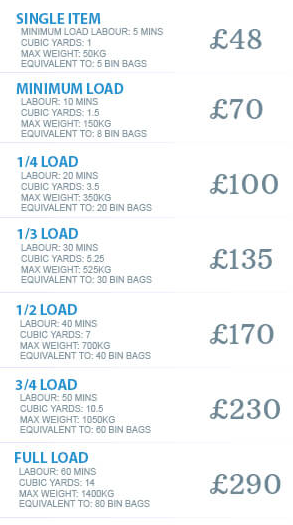
 Tipper Van - Rubbish Removal and Junk Clearance Prices in Kennington SE11
 Luton Van - Rubbish Removal and Junk Clearance Prices in Kennington SE11