Lambeth council rules for rubbish removal in Kennington
Posted on 07/07/2026

Lambeth council rules for rubbish removal in Kennington: what residents need to know
If you live, work, or are clearing a property in Kennington, rubbish removal can feel straightforward right up until the bins are full, the pavement is tight, and you are trying to work out what Lambeth council rules actually allow. That is where people usually get stuck. This guide explains Lambeth council rules for rubbish removal in Kennington in plain English, so you can avoid avoidable fines, missed collections, awkward fly-tipping problems, and the usual last-minute scramble.
We will look at how the rules work in practice, what they mean for households and landlords, when private rubbish removal makes more sense, and how to stay compliant without making the whole thing harder than it needs to be. A lot of it comes down to timing, sorting, access, and using the right route for the waste. Sounds simple. In real life, not always.
Why Lambeth council rules for rubbish removal in Kennington Matters
Kennington sits in a part of London where space is at a premium. Front gardens are small, shared entrances are common, and a single missed collection can quickly become a bag pile that nobody enjoys looking at. That is exactly why local rubbish rules matter so much here. They are not just admin. They shape whether waste is collected safely, whether your property stays tidy, and whether you stay on the right side of local enforcement expectations.
There is also a practical reason. When rubbish is not handled properly, it tends to create three problems at once: it blocks access, it attracts complaints, and it delays everything else you were trying to get done. If you are moving home, clearing a loft, refurbishing a flat, or emptying an office, waste can become the part that slows the whole project down. A little planning now saves a bigger headache later.
For many Kennington residents, the key issue is deciding whether the rubbish belongs in ordinary household disposal, a booked council service, a bulky waste arrangement, or a private collection. The answer depends on what the item is, how much of it there is, how quickly it needs to go, and whether access is easy enough for collection crews. That is the real-world version. Not glamorous, but useful.
If you are also planning a move or property refresh, it can help to think beyond waste alone. House buyers and landlords often pair rubbish clearing with broader property planning, and the local context matters. You may find it useful to read about tips for purchasing homes in Kennington or Kennington property investment considerations if waste clearance is part of a wider property decision.
How Lambeth council rules for rubbish removal in Kennington Works
At a practical level, the council-led side of rubbish removal is about putting waste out in the right place, at the right time, in the right container, and in the right condition. That sounds almost too obvious, but a surprising number of issues happen because one of those four things is missed.
Most residents are dealing with one of a few common situations:
- ordinary household refuse and recycling
- bulky household items such as mattresses, chairs, or wardrobes
- garden cuttings and seasonal green waste
- builder's waste after decorating or repairs
- office or shop clearance items
Each type needs a different handling approach. For example, a bag of general rubbish is not the same as a dismantled sofa, and neither is the same as rubble or timber from a renovation. If you mix those together, you can make disposal more expensive or less straightforward than necessary.
In Kennington, a lot of properties are flats or period conversions, which means collection logistics matter. A hallway can be narrow, the front door may open onto a shared path, and there may be little tolerance for bags left outside too early. In those situations, private rubbish collection or a planned clearance service can be more realistic than trying to improvise on the day. If that sounds familiar, the local rubbish collection in Kennington option may be worth understanding alongside council procedures.
Another important point: councils tend to expect waste to be presented neatly and lawfully. Overflowing bags, loose broken items, sharp edges exposed, and unbagged rubbish can cause collection problems. Nobody wants a missed pickup because one bag split open in the rain. It happens. It is annoying. It also usually means you end up doing the job twice.
Key Benefits and Practical Advantages
Following the right rubbish removal rules is not just about avoiding trouble. There are some very real advantages.
- Less chance of missed collections: waste is easier to collect when it is presented properly.
- Lower risk of complaints: neighbours are less likely to object to bags, odours, or clutter.
- Cleaner shared spaces: especially important in mansion blocks, maisonettes, and converted houses.
- Better recycling outcomes: separating waste properly supports reuse and recycling.
- More predictable costs: knowing the route you will use avoids last-minute premium charges.
There is also a time-saving benefit that people often underestimate. If you sort the waste properly before collection day, the entire process moves more smoothly. That matters if you are juggling a school run, a work shift, or a delivery window. In our experience, the people who plan waste removal early almost always have a calmer moving day. The ones who leave it until the end... well, let's just say the wheelie bin area can become a very emotional place by 7:45 a.m.
For larger jobs, private clearance can be especially useful because it can handle mixed loads, awkward access, and same-day timing more flexibly than a standard council route. If you are comparing broader clearance options, it may help to explore the available services overview or a more direct rubbish clearance service in Kennington when the council route is not the best fit.
Who This Is For and When It Makes Sense
This topic matters to more people than you might think. It is not only for homeowners with overflowing bins. It is also for landlords, tenants, estate agents, shop owners, office managers, builders, and anyone in the middle of a clear-out.
You are likely to care about Lambeth council rubbish rules if you are:
- moving in or moving out of a flat in Kennington
- clearing a property after a tenancy ends
- disposing of broken furniture, white goods, or old bedding
- dealing with post-renovation waste
- clearing a garage, loft, or shed
- running a small business with occasional disposal needs
It also makes sense if you simply want to avoid guessing. Guessing is where people go wrong. A pile of bags may seem harmless until somebody complains that it is blocking access or attracting vermin. Then it becomes urgent, and urgent waste jobs are rarely the cheapest or easiest.
For flats and busy streets, bulky waste can be especially awkward. That is why local guidance matters for streets like Kennington Road and surrounding residential blocks. If your situation is more item-heavy than bag-heavy, it can be useful to read a practical local breakdown such as bulky waste removal for flats and shops on Kennington Road.
And if you are clearing a whole property rather than a single item, the planning gets more involved. A house clearance can uncover broken furniture, forgotten boxes, old electronics, and the occasional mystery object that nobody claims. That is where a structured approach pays off. If that is your situation, house clearance in Kennington may be the better route than piecemeal disposal.
Step-by-Step Guidance
If you want to stay compliant and keep the process efficient, use a simple step-by-step method. It works better than trying to deal with everything in one chaotic go.
- Identify the waste type. Separate general household waste, recycling, bulky items, garden waste, and construction debris. The cleaner the sorting, the easier the next step.
- Check what can and cannot be disposed of in your chosen way. Some items need special handling, especially electricals, paint, fridges, chemicals, and sharp objects.
- Decide whether council collection is suitable. Small household waste and standard rubbish may fit a council route. Mixed, heavy, or awkward loads often do not.
- Prepare the waste properly. Bag it, box it, dismantle it if needed, and keep walkways clear.
- Think about access. Can a collection vehicle stop safely? Are there stairs, tight halls, or parking restrictions?
- Book early where possible. Do not leave collection arrangements until the day before a deadline or move-out.
- Document the job if needed. For rentals, property sales, or commercial premises, photos before and after can save awkward conversations later.
One small but important point: if you are clearing heavier household goods, do not assume every item can sit out with the regular refuse. A sofa is not a bin bag, and a broken wardrobe is definitely not going to pretend to be one. Better to be sensible up front.
For people who want a simpler all-in-one approach, private disposal can streamline the process. You can compare practical options with furniture disposal in Kennington, garden waste removal, or builders waste clearance in Kennington, depending on what you are actually throwing away.
Expert Tips for Better Results
The best rubbish removals tend to be the boring ones. That sounds strange, but it is true. No panic, no overfilled bags, no accidental mixing of rubbish types, no last-minute van drama. Here are a few practical tips that make a noticeable difference.
- Use a quick sort system. Put recycling, reusable items, and true waste into separate piles before you start.
- Measure awkward items. If something is large, check whether it can actually fit down stairs or through the front door before collection day.
- Remove drawers and loose parts. Flat-pack furniture clears more easily when it is broken down sensibly.
- Keep a buffer window. If you need clearance before a key handover, allow time in case access or traffic is slower than expected.
- Take care with sharp or dusty items. Wrap glass, secure nails, and avoid creating hazards for whoever is collecting.
If you are disposing of items from a commercial unit, office, or rented workspace, the same principle applies but the stakes can feel a bit higher. You may have staff, customers, or building management to keep happy. In those cases, a plan that protects access and limits disruption is worth its weight in gold. For example, a curated office clearance in Kennington can be much easier than piecing it together yourself after hours.
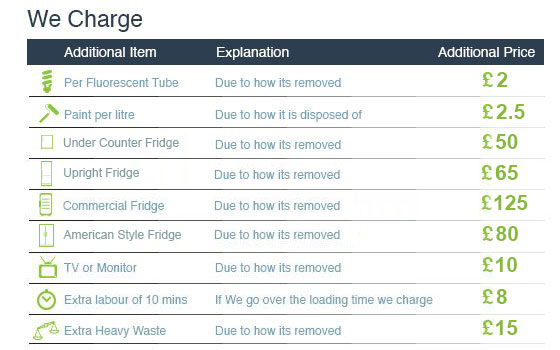
And if budget is a concern, always check what is included before you commit. It sounds dull, but hidden extras are where good intentions go to die. There is a helpful local discussion on this point in how to avoid hidden charges in rubbish removal quotes.

Common Mistakes to Avoid
A lot of waste problems in Kennington come from the same handful of mistakes. They are easy to make, which is exactly why it is worth calling them out.
- Leaving rubbish out too early. It can obstruct pavements and create complaints.
- Mixing different waste streams together. Mixed loads are harder to process and may not be accepted in the same way.
- Assuming bulky items are treated like bagged waste. They usually are not.
- Ignoring access issues. A collection crew needs room to work safely.
- Booking the wrong service for the job. A small bin collection and a full house clearance are not interchangeable.
- Forgetting about timing around building rules. In flats, there may be quiet hours or loading restrictions.
Another common problem is underestimating the amount of waste in a property. The first room looks manageable. Then you open the loft hatch, or the garage door, and suddenly it is a different story. That is why people often benefit from reading mistakes to avoid when booking house clearance in Kennington before they make a booking.
A small aside, but an important one: rubbish has a habit of multiplying when you move house. Not literally, of course. Although sometimes it feels that way at 6 p.m. with cardboard everywhere and no tape left in the flat.
Tools, Resources and Recommendations
You do not need specialist equipment to manage most household rubbish, but a few basic tools help enormously.
- heavy-duty rubble sacks or strong bin bags
- labels or marker pens for sorting
- packaging tape for sealing loose items
- gloves for handling rough or dusty waste
- a trolley or sack truck for heavier loads
- cardboard boxes for small mixed household items
For planning, a simple room-by-room list is often enough. Start with the loft, then the garage, then the kitchen, then wardrobes and storage cupboards. Doing it in that order usually helps because the obvious clutter comes out first and the more awkward items become easier to judge. If you are dealing with mixed waste, a broader waste removal service in Kennington can help simplify everything into one collection.
It is also worth checking company policies around safety, insurance, and responsible disposal before booking anyone. That is not overcautious. It is sensible. For reassurance, you can review insurance and safety information and recycling and sustainability guidance if you want to understand how a reputable provider approaches the work.
Law, Compliance, Standards, or Best Practice
When rubbish removal is discussed in London, the compliance side matters. You do not need to become a lawyer to make good decisions, but you should understand the broad expectations.
In plain terms, waste should be stored, presented, transported, and disposed of responsibly. That means:
- not obstructing public footpaths or shared access routes
- not leaving waste where it creates a hazard or nuisance
- using only lawful disposal routes
- checking that waste is handled by a responsible, traceable service
- taking extra care with electrical, hazardous, or construction-related items
Best practice in this context usually means keeping waste separated where possible, booking the right service, and maintaining a clear record of what has been removed if you are a landlord, agent, or business. That last bit is boring until you need it. Then it is very useful indeed.
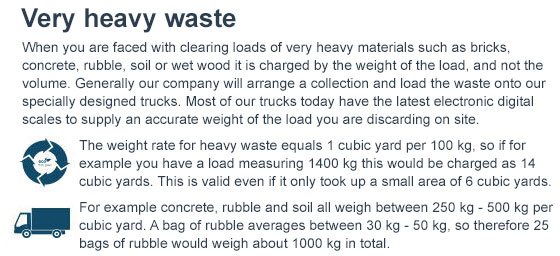
For households, the main practical takeaway is simple: do not assume everything can be left out as a loose pile and forgotten about. For commercial properties and renovation projects, the standard should be even higher. Builders waste, mixed debris, and office clearances often need a more controlled process. If that applies to you, the dedicated builders waste clearance in Kennington page may be relevant alongside your council-led planning.
There is also a safety angle. Broken glass, nails, sharp timber, and heavy appliances can cause injury during loading. Good practice is to contain, label, and separate. It is not just neatness. It is risk reduction.
Options, Methods, or Comparison Table
Choosing the right rubbish removal method depends on what you are clearing and how quickly it needs to go. Here is a practical comparison.
| Method | Best for | Pros | Watch-outs |
|---|---|---|---|
| Council collection or council-led route | Smaller household waste and standard disposal needs | Structured, familiar, often suitable for routine disposal | Less flexible for bulky, mixed, or urgent jobs |
| Private rubbish collection | Mixed loads, awkward access, quick turnarounds | Flexible timing, one-stop clearance, less hassle | Make sure the quote covers all likely items |
| Skip hire | Building projects, ongoing clear-outs, larger volumes | Handy if waste builds up over several days | Needs space, permits may matter, and loading can be manual |
| Specialist item disposal | Furniture, appliances, garden cuttings, loft contents | Targeted handling for specific waste types | May not suit mixed jobs on its own |
There is no single best method for everyone. A flat clear-out after a tenancy is a different beast from a weekly office tidy-up or a post-renovation debris pile. If you are weighing up choices, a service such as skip hire in Kennington can suit longer projects, while junk removal is often better for faster one-off jobs. For many everyday needs, furniture disposal is the simplest route of all.
Case Study or Real-World Example
Here is a realistic example from the kind of situation that comes up often in Kennington.
A tenant moves out of a two-bedroom flat near a busy road. The living room is manageable, but the spare room has a dismantled bed frame, two broken chairs, old curtains, several black bags of mixed household waste, and cardboard from flat-pack furniture. The building has a narrow entryway, shared access, and not much room for leftovers to sit around.
At first, the tenant thinks it might all fit into ordinary collections over a few weeks. Then the reality hits: some of the items are too bulky, the bags are heavier than expected, and the property has a handover deadline. The simple plan becomes the smarter plan. The waste is sorted into what can be recycled, what needs special handling, and what needs full removal. Access is checked, the items are moved in one controlled visit, and the flat is left clear for inspection.
The useful lesson here is not that one option is always right. It is that the right option depends on the layout, deadline, and waste type. In a place like Kennington, that often means thinking like a property manager for a day, even if you are just a busy resident trying to get on with your life. If that sounds familiar, the local guide to Kennington Park rubbish removal for SE11 homes may feel reassuringly close to home.
Practical Checklist
Use this checklist before you put anything out or book a collection.
- Have I identified the exact type of waste?
- Is anything hazardous, sharp, or breakable?
- Do I need bagged collection, bulky item removal, or a full clearance?
- Is the access route clear and safe?
- Will waste be left in a lawful, tidy place until collection?
- Do I need to separate recycling from general waste?
- Have I allowed enough time before any deadline, checkout, or delivery?
- Do I know whether a private service, skip, or council route is more suitable?
- Have I checked the disposal provider's safety and responsibility standards?
- Do I have a backup plan if the job turns out to be bigger than expected?
That last one matters more than people think. Waste jobs have a way of revealing extra layers. You open one cupboard and discover three more, which is why a bit of flexibility is helpful.
Get a free quote today and see how much you can save.
Conclusion
Lambeth council rules for rubbish removal in Kennington are easiest to deal with when you treat them as a practical system rather than a set of annoying obstacles. Know your waste type, sort it properly, respect access and timing, and choose the right removal method for the job in front of you. That is the heart of it.
For simple everyday waste, a council-led route may be enough. For bulky items, mixed loads, tight access, or urgent deadlines, private collection can be the calmer, cleaner solution. Either way, the goal is the same: keep Kennington tidy, stay compliant, and avoid unnecessary stress. Truth be told, that alone is a win.
If you are planning a larger clear-out, it may also help to read more about the local area and how people use it day to day, from Kennington's hidden gems to what makes Kennington a thriving community. The more you understand the neighbourhood, the easier it is to make waste removal fit properly into real life.
And if you are the kind of person who likes to compare providers carefully before making a decision, the pages on about us, pricing and quotes, and payment and security can help you feel more confident about the next step.



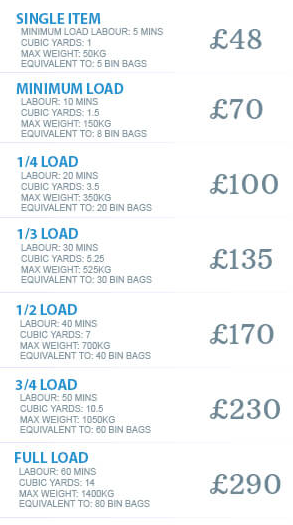
 Tipper Van - Rubbish Removal and Junk Clearance Prices in Kennington SE11
 Luton Van - Rubbish Removal and Junk Clearance Prices in Kennington SE11