Mistakes to avoid when booking house clearance in Kennington
Posted on 24/06/2026

Booking a house clearance sounds simple enough. You get a quote, pick a date, and let the team handle the heavy lifting. But in real life, the small details are usually where things go wrong. If you are arranging a clearance in Kennington, the difference between a smooth job and a frustrating one often comes down to a handful of avoidable mistakes.
That matters even more in a busy part of London like Kennington, where parking can be tight, access can be awkward, and properties range from compact flats to larger family homes. In this guide, we'll look closely at the most common mistakes to avoid when booking house clearance in Kennington, why they cause problems, and how to steer clear of them without overcomplicating the process. Let's face it, nobody wants a clearance day that turns into a scramble.
Why Mistakes to avoid when booking house clearance in Kennington Matters
A house clearance is not just about removing unwanted items. It can be part of a moving process, an end-of-tenancy handover, a bereavement, a renovation reset, or the long-overdue job of reclaiming a spare room. When the booking goes wrong, the knock-on effects can be surprisingly messy: extra charges, delays, missed collection windows, stress with neighbours, or items that cannot be removed on the day.
In Kennington, those issues can be amplified by practical realities. Flats may have narrow stairwells. Terraced homes may have limited front access. Shared entrances and controlled parking can make timing more important than people expect. Even a straightforward job can become awkward if the team has not been told about loading restrictions, permit needs, or the volume of waste involved.
That is why this topic matters. Not because clearance is complicated in itself, but because booking it carelessly creates avoidable friction. A good clearance should feel organised, calm, and predictable. If you prepare properly, it usually does.
Expert summary: the biggest booking mistakes are rarely about the clearance itself. They are usually about poor information, vague pricing, weak preparation, and choosing a provider without checking whether they can actually handle your property and timeline.
How Mistakes to avoid when booking house clearance in Kennington Works
The booking process is normally straightforward, but each step needs a bit of care. First, you describe what needs removing. Then the provider assesses the job, either from photos, a call, or an on-site visit. After that, you agree a price, choose a date, and prepare access. On the day, the team removes the items and leaves the space clear.
The mistakes tend to happen when one of those stages is rushed. For example, if you understate the amount of furniture, the quote may no longer be realistic. If you forget to mention a basement, top-floor flat, or restricted parking, the crew may need extra time. If you do not read the booking terms properly, you may misunderstand what is included.
That is why a good booking process is really a planning process. You are not just hiring labour; you are coordinating access, timing, disposal, and communication. If you are also comparing broader service options, it can help to read a clear services overview before deciding what kind of clearance best matches your situation.
Key Benefits and Practical Advantages
When the booking is handled properly, house clearance becomes one of those jobs that feels strangely satisfying. The room looks bigger. The stress drops. Suddenly you can see the floor again, which is always a good sign.
Here are the main benefits of avoiding booking mistakes:
- More accurate quotes because the provider knows what to expect.
- Fewer surprises on the day because access, item types, and timing were discussed clearly.
- Better value because you are less likely to pay for unnecessary call-backs or extra labour.
- Reduced stress during moves, probate clearances, lettings changes, or renovations.
- Cleaner compliance if the team is properly insured and handles disposal responsibly.
- Less disruption to neighbours, building managers, or people sharing the same entrance or street.
If sustainability matters to you, this is also a good moment to ask how reusable items are separated from waste. A responsible provider should be able to explain their approach to recycling and disposal in plain English, not hide behind jargon. If that's something you care about, their recycling and sustainability information is worth checking before you book.
Who This Is For and When It Makes Sense
This advice is relevant to almost anyone arranging a home clearance in Kennington, but it is especially useful if you are in one of these situations:
- You are moving house and need furniture, bric-a-brac, or old appliances removed.
- You are dealing with a deceased estate and need a respectful, organised clearance.
- You are clearing a rental property before new tenants move in.
- You are emptying a flat, loft, garage, or spare room that has built up clutter over the years.
- You are renovating and need bulky waste removed quickly.
- You are working to a fixed deadline and cannot afford a missed appointment.
It also makes sense for people who have not booked a clearance before. Truth be told, first-time customers often assume everything is included in the price, or that access details are obvious. They are not. A little clarity upfront saves a lot of back-and-forth later.
Kennington properties can vary a lot, too. Some are straightforward. Others are not. If you are trying to judge whether your home or flat might present access issues, the local context discussed in this look at Kennington as a community gives a useful feel for how mixed the area can be.
Step-by-Step Guidance
Here is a simple way to book house clearance without falling into the usual traps.
- Make a full list of what needs removing. Walk through every room and include lofts, cupboards, sheds, garages, and under-stairs spaces. People forget those. All the time.
- Separate items that may need special handling. Mattresses, appliances, paint, chemicals, and certain electrical items may need to be treated differently.
- Take clear photos. Wide shots and close-ups help the provider estimate volume and identify access issues.
- Describe the property properly. Mention stairs, lifts, shared entrances, parking restrictions, and any tight turning points.
- Ask what the quote includes. Check labour, loading, disposal, waiting time, and whether VAT is included if relevant.
- Confirm the booking in writing. Keep the agreed date, time, scope, and price in one place.
- Prepare the site. Label items, separate keep/dispose piles, and protect anything you want to retain.
- Check the final handover. Before the crew leaves, do a quick walkthrough to make sure nothing important has been taken by mistake.
If your clearance overlaps with furniture disposal, it may help to review a dedicated furniture disposal service so you can decide whether bulky items should be treated as part of the clearance or handled separately.
Expert Tips for Better Results
Here's the part that tends to make the biggest difference in practice.
Be unusually specific. "A few items" is not helpful. "Two wardrobes, one sofa, a bed frame, six black bags, and assorted boxes from the loft" is much better. If you have items hidden in storage spaces, mention them early. The quote will be steadier, and the team can bring the right size vehicle.
Think about access as much as volume. In a house clearance, a staircase can matter as much as the amount of waste. So can parking, lift size, or whether the property sits on a busy road. A job that looks small on paper may take longer in reality.
Ask what happens if the load changes. If you have a tendency to find "just one more pile" while packing, you are not alone. Many people do. Ask the provider how they handle additions so you are not negotiating under pressure on the doorstep.
Choose timing with the building and neighbours in mind. Morning slots are often easier for parking and reduce disruption. If you live near commuter traffic or a busier stretch, that can make a practical difference. You do not need to overthink it, but a little thought helps.
Keep proof of the agreement. A written quote, confirmation email, or message thread is useful if there is any confusion later. It is a boring habit, admittedly, but a very good one.
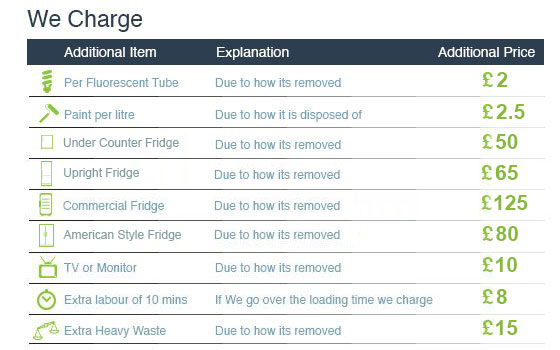
If you want a better sense of pricing traps before you book, the article on avoiding hidden charges in rubbish removal quotes is a sensible companion read.

Common Mistakes to Avoid
This is the section where most booking problems show up. Some are small. Some are expensive. All of them are avoidable.
1. Choosing the cheapest quote without comparing what is included
A low price can be attractive, of course. But if the quote excludes labour, disposal, minimum load charges, or access-related extras, the final bill may be less cheerful than expected. Compare like with like. Otherwise you are comparing apples with pears, which is never that helpful.
2. Underestimating how much needs clearing
People often forget loft items, garden clutter, or boxes in storage. A quote based on half the real load is likely to be inaccurate. A better approach is to over-communicate and let the provider scale the job properly.
3. Not mentioning stairs, narrow access, or parking issues
This is a classic. The team arrives, then discovers three flights of stairs, no lift, and nowhere legal to stop nearby. Suddenly the job takes longer. Sometimes a lot longer.
4. Assuming every item can go together
Not all items are processed the same way. Electricals, upholstered items, and some bulky objects may require separate handling or sorting. If you are not sure, ask rather than guessing.
5. Booking before checking the provider's insurance and safety approach
House clearance involves lifting, moving, and sometimes awkward manoeuvring through homes and communal spaces. You want to know the team takes safety seriously. If that matters to you, a page like insurance and safety should give a clearer picture of how the company works.
6. Forgetting to read the terms and conditions
It is not thrilling reading, but it can prevent confusion about cancellation, extra charges, arrival windows, and what happens if the property is not ready. The small print is where misunderstandings hide.
7. Leaving sorting until the last minute
If you want to keep some items, separate them clearly before the crew arrives. Half-packed rooms and vague instructions can lead to avoidable mistakes. A sticky note on a box seems tiny, but it helps.
8. Not asking about recycling and reuse
Some items may be suitable for reuse, some for recycling, and some for disposal. Asking how the provider separates these streams gives you a better sense of their process and values.
Tools, Resources and Recommendations
You do not need fancy software to book a clearance properly. A notebook, your phone camera, and a bit of organisation go a long way. Still, a few simple tools make the job easier.
- Photo checklist: take pictures of each room, loft, garden area, and any awkward access points.
- Room-by-room inventory: write down items by room so you don't forget the small stuff.
- Labelled keep/dispose piles: keep the decision process visible.
- Measurements: note narrow doorways, stair widths, or large furniture that might need special movement.
- Booking confirmation: save the date, time, quote, and scope in one place.
For services that go beyond a standard house clearance, it can also help to understand the wider options available. For example, if you are clearing a loft, the dedicated loft clearance page may be more relevant than a general rubbish collection option. Similarly, if you are dealing with a packed garage, garage clearance can be a better fit.
If you are comparing different types of rubbish removal support, look closely at how the company explains its process. A clear house clearance service should tell you what kind of properties it suits, how quotes are formed, and what happens on collection day. No mystery. No guesswork.
Law, Compliance, Standards, or Best Practice
Without getting tangled in legal jargon, there are a few important standards to keep in mind. A reputable clearance provider should handle waste responsibly, transport it properly, and dispose of it through appropriate channels. In the UK, waste duty of care is taken seriously, and customers are wise to choose a company that can explain its handling process clearly.
From a customer point of view, the practical best practice is simple:
- Use a provider that is transparent about what happens to your waste.
- Ask whether they can remove the items you actually have, not just general household clutter.
- Check that the team is insured and works safely in shared or tight spaces.
- Keep a record of your booking and any agreed exclusions.
- Do not leave sensitive personal documents in mixed clearance piles if they still matter to you.
If you are clearing a property after a move or sale, and you need more context about local planning or property decisions, the tips for purchasing homes in Kennington article and the Kennington property investment guide both help frame the area's property side a little more clearly.
Options, Methods, or Comparison Table
Not every clearance needs the same approach. Sometimes a full house clearance is the right call. Sometimes a smaller junk removal or rubbish collection job is enough. Here's a simple comparison to help you choose.
| Option | Best for | Pros | Watch out for |
|---|---|---|---|
| House clearance | Whole homes, probate, moves, major decluttering | Comprehensive, efficient, usually best for large volumes | Requires accurate access and item details |
| Rubbish clearance | Mixed household waste, general clutter, small-to-medium loads | Flexible and often quicker to arrange | May not suit large furniture or very bulky items |
| Furniture disposal | Sofas, wardrobes, tables, beds | Good for bulky single items | Some items may need special handling |
| Junk removal | Mixed unwanted items from one or more rooms | Simple when you are not sorting every item into categories | Needs clear description to avoid surprise costs |
| Skip hire | Longer projects with lots of bagged waste | Useful for ongoing DIY or staged clear-outs | You need space, loading time, and sometimes permits or permissions |
If your property is in a busy street, near shared entrances, or has awkward parking, you may find a collection-based service easier than a skip. If the situation is more substantial, a dedicated removal solution is usually less hassle. Small job, big job. Different tools.
For related services, you may also want to compare junk removal in Kennington and rubbish collection in Kennington before deciding how to book.

Case Study or Real-World Example
A typical Kennington scenario goes like this. A tenant is moving out of a two-bedroom flat and thinks the job is simple: one sofa, a mattress, a few bags, and some old shelves. On the morning of the clearance, they realise the loft still has boxes, the hallway cupboard is full, and there's a broken desk they meant to mention but forgot. The building has a narrow stairwell and no easy loading spot out front.
Now the day is more stressful than it needed to be. The quote may need adjusting. The team may need extra time. The tenant is suddenly juggling keys, paperwork, and someone calling about the final meter reading. Nothing dramatic. Just a lot of avoidable pressure.
By contrast, the better version is boring in the nicest way. The tenant sends room photos, mentions the loft, confirms the stairs, and notes the parking limitation. The quote is more realistic. The team arrives prepared. The flat is cleared in one visit. The tenant does not have to scramble around moving bags after the crew has started loading. And the whole thing feels oddly calm, which is exactly what you want.
If you are dealing with a situation like that, a service page such as rubbish clearance in Kennington can be a useful starting point, especially if you need a flexible booking rather than a full estate-style clearance.
Practical Checklist
Use this before you confirm the booking.
- Have I listed every room, storage area, and outbuilding?
- Have I mentioned stairs, lifts, parking, and access restrictions?
- Have I provided photos that show the actual volume clearly?
- Do I understand what is included in the quote?
- Have I checked whether the provider is insured and safety-conscious?
- Do I know what happens if I add more items on the day?
- Have I separated anything I want to keep?
- Have I asked about recycling, reuse, and disposal methods?
- Is the date realistic for my move, tenancy end, or renovation plan?
- Do I have the booking details saved somewhere sensible?
If you can tick all of those off, you are already ahead of most people. Seriously. Most booking problems happen because someone skipped one of those steps and hoped for the best.
And if your next step is simply to ask a few questions before you decide, you can always speak to the team directly for a clearer sense of what suits your property and timing.
Conclusion
The main mistakes to avoid when booking house clearance in Kennington are usually simple ones: vague descriptions, rushed comparisons, poor access details, and not checking what is actually included. None of that is hard to fix, but it does require a little attention before the job is booked.
Once you get the basics right, the process becomes much easier. You get a more accurate quote, fewer surprises, and a clearance day that feels organised rather than chaotic. That is the real win here. Not just getting things removed, but getting them removed in a way that respects your time, your property, and your peace of mind.
Get a free quote today and see how much you can save.
With the right preparation, house clearance stops feeling like a problem and starts feeling like a clean, practical reset. And honestly, there's something quietly satisfying about that.


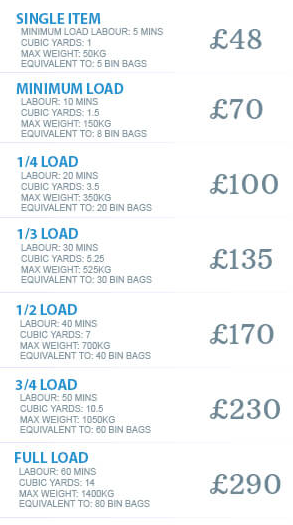
 Tipper Van - Rubbish Removal and Junk Clearance Prices in Kennington SE11
 Luton Van - Rubbish Removal and Junk Clearance Prices in Kennington SE11