Permit requirements for skip hire near Kennington Oval
Posted on 17/08/2026

If you are planning a clear-out near Kennington Oval, the permit side of skip hire can feel a bit more complicated than it should. One minute you are sorting old furniture, garden waste, or builders' debris; the next you are wondering whether the skip can sit on the road, who applies for the permit, and how long approval takes. That is exactly what this guide unpacks. It explains the permit requirements for skip hire near Kennington Oval in plain English, so you can avoid delays, extra costs, and those awkward last-minute surprises that always seem to happen on a busy week.
The short version? If the skip is going on public land, a permit is usually needed. If it is staying entirely on private land, it often is not. But the reality is a little more nuanced around Kennington Oval, where access, parking, and local road conditions can matter just as much as the paperwork. Let's walk through it properly.
Why permit requirements for skip hire near Kennington Oval matters
Skip permits are not just admin. They are what keeps your project moving without interruption. Around Kennington Oval, space is often tight, parking can be limited, and roads are shared by residents, visitors, and service vehicles. If a skip sits on a public road or pavement without the correct approval, it can be removed, fined, or cause a headache for everyone involved. Not ideal when you are mid-renovation and the hallway is already full of old plasterboard.
For homeowners, landlords, tradespeople, and businesses, getting the permit question right helps with three things at once: compliance, safety, and planning. It also saves money in a very practical way. A skipped permit is usually cheaper than dealing with enforcement or a delayed project. And yes, that sounds obvious, but in real life people often focus on skip size and forget the location. That is where trouble starts.
It is also worth remembering that permit rules can differ depending on whether the skip is placed on private land, a driveway, a forecourt, or the public highway. If you are unsure, that is not unusual. In fact, most people are. The sensible move is to confirm the placement before you book, rather than after the truck has already arrived and the road is looking a bit too narrow for comfort.
For general service planning and related support, you may also want to review the site's services overview and pricing and quotes information, especially if you are comparing skip hire with other clearance options.
How permit requirements for skip hire near Kennington Oval works
In most UK local authority areas, a skip permit is required when a skip is placed on a public road, parking bay, or pavement area that is managed as part of the highway. That broad rule is the key thing to understand first. The exact application process is usually handled by the skip provider or the company arranging the hire, though the responsibility may still sit with the person booking it if the paperwork is not completed correctly. Bit of a boring detail, but an important one.
Here is how it typically works in practice:
- You decide where the skip will go. If it can stay on private land, such as a driveway or a secure forecourt, a permit may not be needed.
- The hire company checks feasibility. This includes access width, traffic flow, whether the area is suitable, and whether any local restrictions apply.
- If the skip must go on public land, a permit application is made. This is usually for a set period and may need to be extended if the skip stays longer than expected.
- Conditions are applied. These can include lighting, reflective markings, placement rules, and collection deadlines.
- The skip is delivered only once permission is in place. In some cases, the booking timeline depends on approval being received first.
A few practical realities matter here. First, permit approval is not always instant. Second, if you are on a street with heavy parking pressure, the location can be rejected or require a different arrangement. Third, the skip size itself can influence whether placement is sensible; bigger is not always better if the road is cramped. In a place like Kennington Oval, where everyday traffic and residential parking can already feel tight, that is worth thinking about early.
If your project involves mixed waste from refurbishment or building work, the page on builders waste clearance in Kennington may also be useful as a comparison point. Sometimes a skip is right; sometimes a full-load clearance is the cleaner solution.
Key benefits and practical advantages
Getting the permit side sorted properly brings more benefits than people expect. The most obvious is compliance, of course, but there is also a calmer, smoother workflow behind it. When the skip is legally positioned and clearly arranged, you can focus on the real job instead of watching the window every time a van slows down outside. A small relief, but a real one.
- Less risk of fines or removal if the skip is placed in a public area.
- Better planning for delivery, loading, and collection timings.
- Improved safety for pedestrians, neighbours, and delivery drivers.
- Clearer accountability if something changes mid-hire.
- Fewer delays when the skip provider already understands local access constraints.
There is also a subtle practical benefit: permits force better decision-making. If you know a skip cannot just sit anywhere, you are more likely to choose the right size, the right placement, and the right hire window. That means less over-ordering and less waste sitting around unused. Truth be told, that is a good discipline for most clear-outs anyway.
For people weighing whether skip hire is the right approach at all, the article on rubbish collection in Kennington can help you compare options before you commit.
Who this is for and when it makes sense
Permit requirements matter for anyone whose skip is likely to touch the public highway, but the need shows up in different ways depending on the job. A homeowner clearing a loft, a landlord dealing with end-of-tenancy waste, a builder stripping out a kitchen, and a business clearing office furniture all have slightly different pressures.
You are more likely to need a permit if you are:
- living in a flat or terrace with no private driveway;
- working on a property with limited frontage;
- placing the skip on a road with residents' parking or controlled bays;
- doing work that will take several days;
- handling bulky or awkward items that cannot be removed quickly by hand.
It makes less sense if you have secure private space and a simple clearance load. In that case, a permit may be unnecessary and you can keep things easier. For example, if you are emptying a garage and can keep the skip behind a gate, the process is usually much simpler. If you are clearing an office and need to remove waste quickly, though, you may also want to compare a skip with office clearance in Kennington, which can be less disruptive for businesses that cannot afford a pile of waste sitting outside for days.
And if you are dealing with household items rather than heavy rubble, house clearance in Kennington may be the more practical route. Not every job needs a skip. Sometimes it is just easier to let the waste go in one go, clean and simple.
Step-by-step guidance
Here is the clearest way to approach permit requirements without getting lost in the weeds.
- Check the exact placement. Decide whether the skip will be on private land or on the road, pavement, or controlled bay.
- Measure access properly. A delivery truck needs enough space to manoeuvre safely. Narrow roads near Kennington Oval can change the plan fast.
- Confirm the waste type. General mixed waste, garden debris, and builders' rubble can all affect skip choice and loading limits.
- Ask who handles the permit. Many reputable hire providers manage this process, but it is sensible to confirm exactly what is included.
- Allow enough lead time. If approval is needed, book early enough to avoid delays. Last-minute bookings can be tricky.
- Check the hire period. Know when the skip arrives, how long it may stay, and what happens if you need it longer.
- Review any conditions. Permits may require reflective markings, lights, or a particular position relative to junctions and driveways.
- Plan the load. Put heavier material at the bottom, keep prohibited waste out, and do not overfill the skip.
- Arrange collection on time. If the skip is on a public road, late collection can create avoidable issues.
That sounds like a lot, but once you have done it once, it is straightforward. The real trick is to treat the permit as part of the booking, not an afterthought. That mindset saves a lot of bother.
Expert tips for better results
In our experience, the best skip hire jobs are the ones where the planning is boring. No drama, no emergency changes, no "we thought it would fit" moments. Just a clear route from booking to collection.
- Choose the smallest skip that genuinely fits the job. Bigger skips are useful, but over-ordering can create access or permit headaches.
- Think about street activity. Near Kennington Oval, match delivery timing to the quietest practical window if possible.
- Keep neighbours in mind. A skip placed badly can block sightlines or take up valuable parking. A brief heads-up helps more than you might think.
- Separate reusable items before the skip arrives. That saves space and can reduce what you pay for.
- Use the right service for the waste. Garden projects, house moves, and renovations all produce different waste streams. The more accurate the booking, the smoother the result.
One small tip that often gets overlooked: if your project is likely to expand, say a simple bathroom rip-out turns into a bigger refit, mention that early. A good provider can advise whether you should allow for a bigger container or a longer permit window. Better that than trying to stretch a short hire into a week-long operation. Nobody enjoys that scramble.
If sustainability matters to you, the page on recycling and sustainability is worth a look as part of the planning stage. It helps you think beyond just disposal and towards better waste handling overall.
Common mistakes to avoid
Most permit issues are caused by a few predictable mistakes. The good news is they are easy to avoid once you know what to watch for.
- Assuming no permit is needed. If the skip goes on a public road, that assumption can be expensive.
- Leaving booking too late. Permit lead times can delay delivery, especially during busy periods.
- Choosing a placement before checking access. A skip may technically fit, but still be impractical for traffic or pedestrians.
- Not checking hire conditions. Ignoring the rules around lighting, positioning, or collection windows can cause issues.
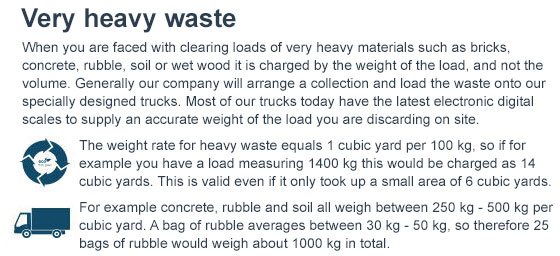
- Overfilling the skip. This is a classic one. It looks harmless until collection becomes a problem.
- Using the wrong service for the job. If you only need bulky items removed, a skip may be overkill.
A surprisingly common one is forgetting that weather can change your plan. A wet week makes loading heavier and messier, and if the skip sits in a tricky spot, that can slow everything down. It sounds minor, but these are the details that shape whether a job feels easy or annoying. And let's face it, most people would rather have easy.
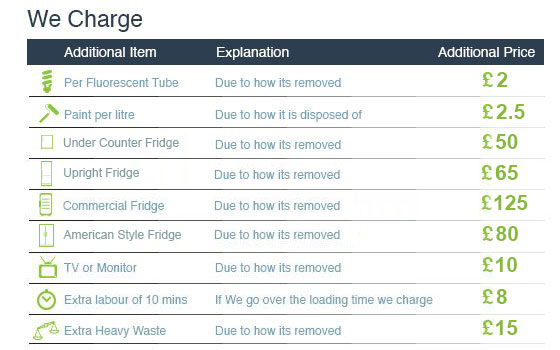
If you are trying to avoid budget slip-ups more generally, the article on avoiding hidden charges in Kennington rubbish removal quotes offers a useful mindset for comparing services fairly.
Tools, resources and recommendations
You do not need fancy tools to handle this properly, but a few practical resources make the process much smoother. Most of them are simple things you can sort in ten minutes, which is handy if you are juggling work, family, or a renovation crew that keeps changing its mind.
- A tape measure for checking driveway width, entrance space, and turning room.
- Photos of the site so the skip provider can assess the location before delivery.
- A rough waste list to estimate skip size and avoid overbooking.
- A calendar reminder for permit dates, delivery, and collection.
- Site access notes if there are gates, low walls, or tight corners.
For related local reading, the article Lambeth Council rules for rubbish removal in Kennington can help you understand how local waste expectations shape everyday disposal choices. And if your work includes heavy soil, branches, or hedge cuttings, the guide to garden waste disposal laws in Kennington SE11 is especially relevant.
If you are early in the planning stage and still deciding how much waste needs to go, the site's junk removal in Kennington and rubbish clearance in Kennington pages may help you compare a skip against a fuller removal service. Sometimes that one comparison saves a whole day.
Law, compliance and best practice
Skip permits are part of a broader compliance picture. The basic principle is straightforward: if a skip affects the public highway, proper permission and safe placement matter. Best practice also means avoiding obstruction, keeping the area visible, and making sure the skip does not create unnecessary risk for pedestrians, cyclists, or drivers.
Here are the practical compliance points to keep in mind:
- Public highway placement usually needs permission. That is the key rule to remember.
- Safe visibility matters. Reflective markings or lights may be required depending on conditions.
- Access should remain reasonable. Do not block entrances, junctions, or essential pathways.
- Waste loading must be sensible. Overfilled skips are a safety and collection issue.
- Timings should be respected. Keeping a skip out longer than allowed can create avoidable problems.
Best practice is not just about avoiding trouble. It is also about being considerate. Around Kennington Oval, where people are moving about early in the morning and later in the evening, a poorly placed skip can be a nuisance even if it is technically allowed. A careful approach is simply better for everyone.
If safety is a major concern for your project, the insurance and safety information is a sensible companion read before anything gets delivered.
Options, methods, or comparison table
Not every waste job near Kennington Oval needs the same solution. The right choice depends on access, volume, timing, and how much disruption you can tolerate. Here is a simple comparison that usually helps people decide.
| Option | Best for | Permit likely needed? | What to watch for |
|---|---|---|---|
| Skip on private land | Homes with driveways, private forecourts, secure access | Usually no | Space, ground protection, and access for the truck |
| Skip on public road | Properties without private space | Usually yes | Permit timing, placement, collection window, and road safety |
| Full rubbish clearance | Fast removal with no container left behind | No skip permit | Choose the right load size and confirm item types |
| Bulky waste pickup | Single items or a small number of large pieces | No skip permit | May not suit mixed renovation waste or heavy rubble |
If you are clearing a flat, shop, or small commercial unit, the comparison can be even more important. For example, the article on bulky waste removal for flats and shops on Kennington Road reflects the kind of access challenges that often make a skip less convenient than a collection-based service.
For everyday waste and mixed household items, the waste removal in Kennington option can sometimes be the simplest route, especially if you want speed over storage.
Case study or real-world example
Picture a small terraced property near Kennington Oval, with no driveway and a fairly busy road outside. The homeowner is clearing out a loft, old furniture, and some leftover renovation waste from a bathroom update. The first instinct is to book a skip and just drop it outside. Simple, right? Not quite.
Once the location is checked, it becomes clear that the skip would need to sit on the road, which means a permit is required. The booking is adjusted so the permit can be arranged in time, the skip is delivered for a set period, and the waste is loaded in a planned order. The result is no stress, no blocked access, and no midnight panic about whether the skip can stay another day. A small thing, but it makes the week feel much less chaotic.
Now compare that with a nearby property that has a private forecourt. The same amount of waste, but no public placement. In that case, the job is easier, cheaper to arrange, and more flexible. Same area, same kind of rubbish, different logistics. That is why permit planning matters so much around Kennington Oval: the street setting can change the entire experience.
In a similar way, if the work is more about moving out furniture and clearing rooms than managing mixed construction waste, a service such as furniture disposal in Kennington can keep the job tidy without needing a skip at all.
Practical checklist
Use this checklist before you book.
- Have you confirmed whether the skip will be on private land or public land?
- Have you measured access width and checked for obstructions?
- Do you know the type of waste and approximate volume?
- Have you asked whether the provider handles the permit application?
- Have you allowed enough time for approval before delivery?
- Do you understand the hire period and collection timing?
- Have you checked whether lights, cones, or reflective markings are needed?
- Have you considered whether a skip is actually the best option?
- Have you compared costs with alternative clearance services?
- Have you read the provider's terms carefully?
One simple trick: write down the answer to each question before you confirm the booking. It sounds almost too basic, but it saves a lot of back-and-forth later. And that is the kind of boring efficiency most projects secretly need.
Conclusion
Permit requirements for skip hire near Kennington Oval are not something to fear, but they do deserve attention. If the skip is going on a public road, assume a permit will likely be needed and plan for it early. If the skip can stay on private land, great - you have a much easier route. Either way, the smartest approach is to think about access, safety, timing, and the kind of waste you are actually dealing with before the booking is confirmed.
That is the real takeaway here: the right permit strategy is not just about following a rule, it is about making the whole job smoother. Less hassle, less waste, fewer surprises. Simple as that.
Get a free quote today and see how much you can save.
If you are still weighing up the best approach, the team at contact can help you talk through the practical side before you commit. A quick conversation can save a lot of guesswork, and honestly, that is often half the battle.



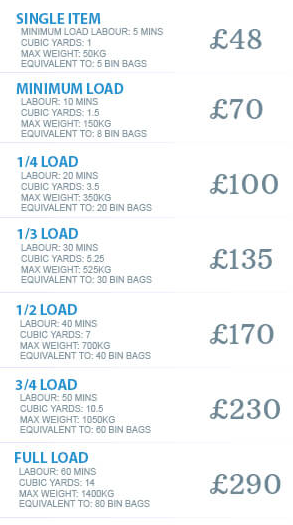
 Tipper Van - Rubbish Removal and Junk Clearance Prices in Kennington SE11
 Luton Van - Rubbish Removal and Junk Clearance Prices in Kennington SE11